
Compare Trauma Insurance
Trauma insurance cover (or Critical Illness insurance) pays a cash lump sum to help with the financial stresses caused by a serious illness
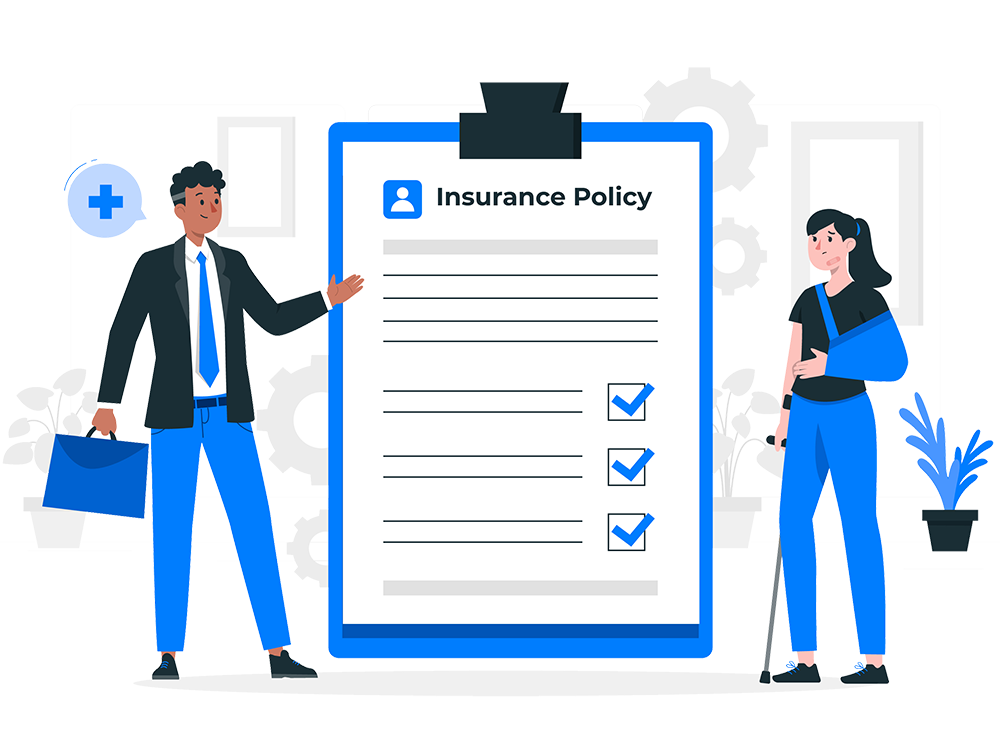
Why is Trauma Insurance cover important?
Trauma insurance cover (also known as Critical Illness insurance) pays a cash lump sum if you are diagnosed with a serious medical condition such as cancer, stroke or heart attack.
Trauma insurance is intended to relieve financial pressure so that you can focus on your recovery. There can be expensive medical treatments involved and a period of time when you cannot work.
The trauma cover payout can be used for some of the following purposes:
- Pay out-of-pocket medical costs (not covered by your health insurance)
- Cover living expenses and childcare costs while you are recuperating
- Allow your spouse or family member to stop work to care for you
- Keep up debt repayments and possibly pay down debts
- Allow you to make lifestyle changes such as reducing work hours or increasing family time/holidays

Trauma cover can provide a financial buffer in the event of a serious medical condition. This can be important if you have limited savings to draw on, or if depleting your savings will mean a setback to other plans such as buying a home, or retiring.
However trauma cover is not intended to provide long term income replacement if you are not able to return to work again (this is better protected against using income protection insurance or TPD insurance).
Watch our trauma claim videos to see real life examples of how trauma cover has helped others.
Compare trauma insurance policies and receive 10% cashback
If you compare trauma insurance quotes online and buy a new policy through Insurance Watch we will refund 10% of the premiums you pay in the first year of your policy (or you can opt for a 5% ongoing discount). Find out more about the Insurance Watch 10% Cashback Offer
Although most Trauma insurance policies can be renewed to age 70, the premiums can become expensive as you get older. We can provide projections of the cost of stepped vs level premiums over time.
What features do the best trauma insurance policies have?
Trauma cover varies widely. Our online trauma insurance quote comparison not only allows you to compare quotes but also to compare how many and what benefits offered by a range of policies. This will help you to see which policies offer basic cover and which policies offer comprehensive cover, so that you can find the best trauma insurance cover to suit you.
We compare premiums for 20 trauma insurance policies from 10 Australian insurance brands. An overall star rating for product features, benefits and definitions is provided by research house Omnium. Full product details are available in the Product Disclosure Statements from the insurers.
When comparing trauma insurance policies it is important to consider:
- The total number of trauma benefits provided i.e. the comprehensiveness of the policy
- What medical conditions are covered and what preconditions need to be met for a successful claim
- Whether the benefits provided are Partial or Full trauma benefits
- Whether the cover is standalone or including death cover (and whether a life cover buyback option is included)
We also compare insurers offering trauma insurance cover
Claims Performance:
Using claims statistics from ASIC and APRA we compare insurance companies based on:
- Trauma claims acceptance rates
- Average claim time in months
- Number of claim disputes (per 100,000 policies)
Customer Reviews:
Read 1,700+ customer reviews and see which insurance company rate well for:
- Customer service both during and after a trauma insurance application
- Experience when making a trauma insurance claim
Insurance Company strength:
Also you can Compare insurance companies based on:
- Size
- History
- Ownership
- Most recent awards
Frequently
Asked
Questions
How much does Trauma Insurance cost?
The average cost of $100,000 Trauma insurance cover in Australia for a non-smoking 40 year-old is $34.05 a month for a male and $44.03 a month for a female (as at 5th January 2026). Premiums vary widely so it can pay to Compare Quotes.
Why is Trauma insurance cover important?
A serious illness such as cancer, heart attack or stroke, can result in financial stress. Out of pocket medical costs and loss of income can make it hard to pay bills and financial worries can inhibit recovery.
What is the difference between TPD and Trauma insurance?
It is generally easier to claim on a trauma policy than a TPD policy as it does not have the same requirement for your condition to be permanent and prevent you from working again. A trauma claim may be made on diagnosis of one of the conditions specified under the policy.
How to find the best Trauma insurance?
Trauma policies vary as to the number of conditions they cover, so to find the best value you need to compare policies. Check which insurance companies are the best at paying claims and have been voted the best by their customers.